
The Art of the Artist Web Design Collaboration

Web design or re-design with artists, musicians, painters, poets, or crafters can be challenging. They usually have their “vision” which may or may not be technically possible. From the start, I tell the artist that their website or blog is their stage, totally under their control. From design to attention-getting content. It’s their performance hall. An outlet for their creative expression. Do with it what you will – however, a few guidelines along the way will make it a more effective performance, no different than learning how to project and control your voice, develop stage presence, and learn the techniques of connecting with their audience.
Treat the experience as an artist collaboration. Any hint of commercialism or “how others do it” that might violate their “creativity” so monetization and SEO must be handled delicately. They usually think of themselves as unique trend setters, which works well in web design, but can break it, too.
Once they understand their website is a stage, they jump on board with enthusiasm and great ideas for incorporating their talents toward this new audience.
“I don’t want to know how you do it. Just get it done.”
Many artists just want it done, without enthusiasm or interest in the technical aspects of the web design and optimization required in order to make the site an effective marketing and communications tool. It’s important to find out how much inclusion they want in the project, reminding them that this is a collaboration in creative design – then doing the technical aspects yourself.
It’s a careful negotiation to develop a site for an artist. The key is to listen fully to what they want and what they’ve found. While they may have all the artist jargon, they lack the ability to translate concepts into web-talk. Ask a lot of questions if you don’t understand their conceptual vision of the site. After development of the initial design concept, I usually leave them out of the technical production, the work of turning their vision into a function, usable, and search engine friendly website or blog. I bring them finished examples for clarification of their vision, which saves a lot of time.
In the end, they do understand that they have to pay the bills. You might have to take a round-about way to get there, but they understand that the website is “just business” and a necessary evil to generate income to pay those bills. The more you can make it a stage for them to use their natural attention-getting abilities and talents, the less “work” a website and/or blog becomes and the more involved they are in supporting its success.
I recently reviewed a static website in anticipation of a web design change and migration to WordPress. As I’ve done before, I thought I’d share my insights and review of this classical musician’s site with you. Many of the challenges I faced in the redesign are ones I’ve encountered frequently with artist websites and non-artist sites – and maybe even your blog.
Design Does Not Match Content or Purpose
Current Site Description: The site is currently designed with Microsoft Word. Accordingly, it is a problematic site. It does not come up in search engines unless you specifically search for the artist’s name, and even then, it ranks low on the list, below those linking to the site. It is designed with tables. The front page alone hosts 167 HTML and 113 CSS errors.
The front page is cluttered and features a textured salmon-colored background with headings and text in dark blue, links in purpose, and visited links displayed in red. These colors are in conflict with the warm, golden and orange lighting in the two main publicity photographs. Other pages within the site feature white or colored backgrounds, different colored fonts and links, columns, no columns, a variety of visual images and graphics, and no consistency in form nor content.
 There is nothing within the design that shouts “professional, creative artist found here.” There is no “evidence” of artist personality or style. No “personal touch” or sense of self within the web pages. Even as a professional, but especially as an artist, it’s critical fans get a sense of who this brilliantly creative person is so they feel a personal connection and vested interest in supporting the artist.
There is no evidence of branding, no consistent logo or image visible on each page on the site. Each web page is different from the other with no uniform consistency in presentation.
The inconsistent look is pre-1999 with each page on the site treated as an independently designed page, as if they had a new thought on design and went with it on each new addition, creating a patchwork quilt effect. When reviewed by others, the first thing they mention is that each page looks like a different website and they think they’ve clicked away from the original site. Users are frustrated by poor navigation, unable to locate the most recent information and updates, critical to the success and income for the artist.
Re-Design Recommendations: Branding is critical. Every visitor to the site needs to know the site is associated with the artist. Brand name recognition is key through words, photographs, and logos.
Navigation to key areas of reader’s interest is paramount. Links to the most critical navigation elements such as concerts, contact, and about the artist must be on each page to encourage the easy reach for more information.
The artist’s income is based upon ticket sales, album sales, teaching, and workshops. Currently, there is almost no direct and visible marketing of these critical income producing elements on the front page or other web pages within the site. These must be moved to consistent locations for maximizing visibility and access.
The first impression of the site is haphazard and unprofessional, thus reflects upon the reputation of the site owner. Currently, the scatter-effect of the structure and layout sends a message to the visitor about the personality of the artist: scattered, inconsistent, undependable, indecisive, and unconcerned about his fans. The contrary is true, so the website must be totally cleaned up so it reflects the truth about the personality, reputation, and integrity of the artist.
To Do List
- Develop a clear purpose or mission statement, a focus for the site which defines the artist, his skills, services, and products. Use this a guide to structure, design, and content within the site.
- Develop a demographics definition, identifying the target audience and listing their needs. Base content decisions upon fulfilling those needs.
- Create a strong, artistic logo or visual graphic brand that is simple and clean.
- Switch from table-based layout to WordPress Theme CSS-based layout with three columns – two sidebars to maximize visibility of event promotions, calendars, navigation, and merchandise.
- Develop the look and content to reflect the personality as well as artistry of the musician to create an instantly recognizable impression upon visitor landing.
- Colors to be changed to match the new logo, kept in warm tones to match the publicity photographs.
 Increase visibility of subscription information such as feeds, email newsletters, and announcements to build fan-base mailing list and contacts.
 Increase visibility of subscription information such as feeds, email newsletters, and announcements to build fan-base mailing list and contacts.
Develop a Content-based Site
Current Content Issues: While the various web pages within the site are haphazardly designed and inconsistent, the content, too, is not uniform. It is a mix of static web pages, video and flash, PDF files with content, and dead links to “pages under construction.” The content must be uniform as well as the design, reinforcing the reputation of the artist for quality.
Since the site is static, there is no chronological order to the content. There is no “What’s New” page, information, or feed access so visitors have no method to be alerted to changes or new content added to the site.
The navigation is cumbersome and inaccessible, with important links scattered within other pages. There is no consistent navigation links guiding the visitor through the content. Links to other pages within the site and off have vague text anchor tags like “click here” and “Audience” which is not directive, search term or keyword specific.
There is content on the site beyond information about events and activities, but it is lost to the confusing navigation and saved as PDF files and poorly coded HTML pages. The content contains keyword-rich information thus should be highlighted as it represents the experienced advice and techniques the artist is acclaimed for within his field and offers excellent entry points for searchers.
Recommendation of a Blog Format: A blog is the best recommendation for re-structuring the website and managing the content. The chronological nature of a blog’s display structure puts the most current and important information at the top of the front page and recent article lists. Built-in feeds make it easy for fans to stay updated with news and events. WordPress SEO features include pings and trackbacks, easy integration with forums, quality web traffic tracking, and simple embedding of video, audio, and music files.

Removed from the time-consuming publishing via a word processing program, interaction with the site’s content is managed through a simple and easy-to-use interface, with little interaction directly with the underlying code.
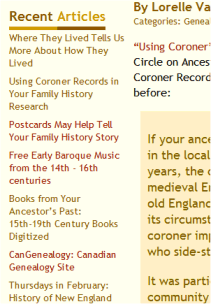 With a content-based, dynamic website instead of a static HTML site, content can be manipulated and managed for maximum coverage such as a Recent Articles, Announcements, or Most Popular Articles listed in the sidebar on every page. A related articles WordPress Plugin could easily include links to on-site related content at the bottom of every post, encouraging “sticky” – giving visitors a reason to look around and stay longer. Access to categories and tags which groups related content together assists with searching and building a strong table of contents for site navigation.
For instance, if the artist announces a concert in Seattle, Washington, the announcement would be featured on the front page, in the feeds, and in the News and Concert categories (also trackable with category feeds), with tags listing keywords such as concert, performance, classical music, Seattle, Washington, Washington State, Pacific Northwest, etc. This increases keyword coverage and search-specific terms.
The artist must not think of a website as a collection of billboards, putting all the emphasis on the front page. Visitors can land on any web page on the site. EVERY WEB PAGE on the site is a billboard, a gateway to a connection with the artist, so make each page count.
To Do List
- Convert all static content, including PDF files to text, ready for publishing as WordPress posts.
- Set up Pages listing for events, contact, about, classes, and buying recordings, increasing exposure to key areas with every pageview.
- Create a list of content categories highlighting articles on techniques, events, announcements and news, concerts, teaching, etc.
- Brainstorm a recommendation list of tags that micro-categorize the content such as specific music techniques, performance notes, performance locations, musical instrument names, artist and composer names, etc., to help ease the transition into how tags work.
- Publish the converted content in the specific categories with the appropriate keyword tags. PDF files can be linked to from within the post content, if necessary.
- Develop new content and rewrite old content to better reflect the personality as well as skill of the artist, increasing entry points to the site.
- Start an editorial calendar for the site focused on the artist’s schedule and goals for marketing his business.
Make It Shine and Dazzle
With the basic structural, design, and old revised content in place within the new blog, it’s time to make the site do what it was meant to do from the beginning: speak well of the artist, earn income, and encourage a fan-base.
The following are recommendations to improve the online reputation of the artist and direct attention towards income generation:
- All content covering the promotion of the artist must be consolidated into the artist’s About Page, with the bio, performance highlights, discography, bibliography, references, and recommendations. If long, some of the information can be put into SubPages under About.
- An online “shop” Page set up for listening to recordings and easy purchasing of the albums, posters, t-shirts, books, videos, and other products.
- Create “ads” promoting events and merchandise for random display in the sidebar and elsewhere within the site structure, encouraging sales.
- The Events Page must be updated with information about each upcoming event with quick links to buy tickets, maps, etc., along with links to past events for historical reference.
- Add a feed-by-email option for fans to subscribe to the blog for updates – which also collects email addresses for event, direct marketing, and promotional uses.
- All content must be reviewed and edited to include keyword search terms to improve “findability” within search engines. All appropriate links must feature the
rel="tag"attribute to improve tag recognition and inclusion within tag-based search engines and directories. - All content images and links must be updated to W3C web standards for accessibility, naturally improving keyword search patterns and SEO as well.
- Develop new “search engine specific” content that attracts those searching for specific related topics, expanding the “entry points” into the site.
- Create “cliff-hanger” content spread out over time that keeps bringing readers back to the site for the “rest of the story” in the form of article series, announcements, previews, sneak peeks, and online educational articles and programs. The artist teaches group classes and workshops which can be easily promoted by previews of what’s coming up in the next gathering, interesting others to join in the next session.
 Add a
Add a Fans are powerful online friends to have. They often have their own websites, blogs, forums, chats, and social networking sites they frequent, from which the artist can benefit. As do fellow artists. A simple request to help promote an event to fans and other artists can lead to a huge, free publicity campaign. It is therefore critical to encourage a strong fan-base, one that is supportive and can accommodate growth easily.
As with all artists, they want to spend more time on their art and less on managing their business and life, so involving fans and fellow artists helps reduce the work load on the site while making it work naturally overtime to promote itself without additional expenses.
The artist currently has a forum, so incorporation into the blog is critical. A blog and forum complement each other, boosting traffic in both directions.
The following are recommended for encouraging a fan-base and taking advantage of the “viral” power fans can produce on the web:
- Fan Participation: Encourage fans to participate within the blog. Fan-based articles allow fans to shine outside of the forums. It’s a way of saying thank you for their support. They also link to their published articles, bringing in more attention and traffic.
- Feature Forum Content: The forum provides educational materials, much of which should be culled and featured in the blog content for more permanent and professional reference, bringing search engine attention to the content, thus bringing in new visitors and interest. Give credit to those who contribute to the article, thus encouraging and supporting the fans, and naturally they will link to their contributions.
- Interviews as Viral Marketing Campaigns: Make podcasting available and encourage students and fans to interview the artist or each other, talking about the artist as teacher, performer, and friend. Allow publishing of the podcasts on the site or on their site for increased viral marketing and visibility.
- Avatar Branding: Offer avatars for blog comments and the forum for visual identification of members and the artist. The artist should use the logo or graphic identity used within the blog to end the brand name identification and marketing, using Gravatars or popular avatar services so the image appears when the artist comments on other forums and blogs.
- Professional Collaboration: Contact other professional artists within the same field to write articles about their specialty or a special interest and publish them on the blog. This excites fans and attracts their fans to the site, opening up networking connections between the two.
- Fan Challenges: Hold competitions and contests, asking fans to publicize these events on their blogs and forums to encourage others to join in the process. Offer artist-specific rewards such as a free hour in-person or online consultation, tickets, recordings, or recording reviews.
- Students Teaching Other Students: Since the artist is a teacher, encourage the students to teach their own classes online to the other students. A lot can be learned from the teaching experience that improves the student’s work.
- Add Multimedia: Encourage video and music recordings of the students and fans, displaying them on the blog as well as within the forum. Really unusual and interesting videos and music can get a lot of attention and can easily become viral marketing for the artist by association. Maybe hold a competition for fans to create the ad campaign for an upcoming concert.
- Portable Promotion: Create page-sized “posters” of events (PDF) for fans to print out at home and post around their neighborhood if a concert will be nearby.
- I Dig This Artist: Create badges and brand graphics for fans to publish on their blogs and websites with easy-to-use links back to the artist’s site.
- Visible Concert Promotion: Create concert-specific graphic badges for fans to publish on their blogs and websites, or even incorporate into their emails saying “I’m going to the concert! Aren’t you?”
- Free to Perform: As the blog is now a stage, ready for performances, let the artist and fans show off their skills and talents. It’s imagination time.
 I Dig This Artist: Create badges and brand graphics for fans to publish on their blogs and websites with
 Consequences of the New Design and Structure
The benefits of replacing the old site’s structure with the new design and content include:
- Brand building: Developing a strong brand identity with every page, avatar, and site badge distribution.
- Reputation: With a clear content format, the first impression is positive. The artist’s reputation for discipline, quality, consistency, and skill is enhanced. The look speaks well of the artist and sets a high standard for integrity. Name recognition is boosted with the artist’s name on every page with links to more information and history.
- Improved Marketing: With every web page containing the artist’s name and pointing towards concerts, educational programs, and albums, visitors are repeatedly exposed to purchase points. New visitors are attracted by the use of keywords and search terms and arrive to find coherent and keyword-specific content to answer their questions, encouraging them to investigate concerts, workshops, classes, and album sales.
- Social Networking: With improvements in social interaction between the artist and fans and between the fans, along with exposure through interaction with other artists, word-of-mouth and viral marketing techniques can be maximized. With the new design, visitors feel more welcome, thus encouraged to “hang around” and get to know the artist and his fans better.
- Improved Reader Interaction and Traffic Building: Feeds offer fast access to the latest news, articles, and activities, encouraging return to the site. With easier navigation, categorized content, and improved search functions, information is easier to find and link to.
- Cost/Expenses: WordPress is free. Hosting fees continue or increase slightly to match WordPress requirements. Web redesign and content conversion will cost from $250 to $500, dependent upon time variables and adjustments to the project development. All the rest is expense free except time. Once the new site is up and running, management time will be greatly reduced, replaced by quality income producing time.
- Time-savings: Moving from the over-coded and clumsy word processing methodology of publishing content on the site, which currently takes from one to four hours, administration of the site is reduced dramatically by the time-savings interface of WordPress. Articles and information can be added within minutes, with no interaction with templates, editing in links to the new information on the front page template, or uploading of static content pages to the site. The new content is instantly available to the public with links to the most recent content displayed on every page.

Hi there, What a great article. I’m going to have to share it with all my artist clients. I really appreciate all your advice and you taking the time to review my blog.
I took some of your advice and switched out the old template with a new one. We’ll see if that works. At least all my links are showing up again.(Check it out if you feel like telling me like it is again! I love it!)
That was too weird about the old version. Thanks again! For everything!
JOY
I will also share it on my 2 art blogs. This is a very useful post:)
I think arts as an industry, or a blogging niche isn ‘t given enough of a look in by the more tech oriented directory sites. Often bunching us with movies,music and the such.
(my other art blog is: ming-art.com)
Great read!
This will come in handy once I have a couple of my sites redesigned.
Great resource! I’ve found many good suggestions. Thx a lot
Ciao from Rome, Italy
I love design and I love graphics. The problem is there are still too many phone modem users and it just does not really work well for them. The one thing I do agree about for sure is that it seems odd to go to an “artist” site and see no evidence other than just a gallery, no style no flair. I often wonder how web design companies even call themselves that without any flair in their own site designs. I have had to go to the white background on my site because I went to a friends and saw my dark background butchered by the browser/monitor setup on this guys computer. So I just went back to the plain vanilla. I never liked it, but it seems to be the most universal. The most populated sites in the world are plain vanilla, most very blah.
There have been lots of collab sites over the years, nice idea, I just can’t get into much these days LuLu.com was a collab site, but I don;t think it worked out that well for them profit wise.
I am going to reread this again and absorb it because the information is very relevant for me.
Amezing Article on Web Site Sevelopment and how to design and develope component based site. Very informative for beginners . Thank U. :)
i am self-studying web design coz building websites is my passion:.,
web design is also a good hobby and a great job too. web design jobs pays very well-~”
i like to design webpages and also get paid by using my customized themes:,;
we have seen this kind of blog first time .nice blog
Link Building Services India