Blogging Tips & Guides
Content & Digital Publishing
Search & SEO
Blog Platforms & Tools
Blogging News
Social Media
Interviews & Commentary
Blogging Tips & Guides
Content & Digital Publishing
Search & SEO
Blog Platforms & Tools
Blogging News
Social Media
Interviews & Commentary
Latest from Blog Herald
Neuroscientists studying silence found that noise degrades the brain in ways writers have always felt but never had a word for — and the mechanism is more specific than anyone expected
9th Jun
The Blog Herald Editorial Team
53% of Gen Z say becoming a creator is a viable career and the industry that used to mock that idea is now paying attention
7th Jun
The Blog Herald Editorial Team
Edison Research finds podcasts now reach 58% of Americans monthly — which helps explain why Vox’s podcast network was worth acquiring at all
6th Jun
The Blog Herald Editorial Team
There is a kind of blog with 500 readers that has more actual influence than one with 500,000 and the difference has nothing to do with content quality
5th Jun
The Blog Herald Editorial Team
The generation that grew up in the 1970s carries a rare kind of mental endurance, because they were the last children allowed to fail and figure it out unsupervised
5th Jun
Ainura Kalau
Studies on regret suggest people are surprisingly good at making peace with their mistakes — it’s the things they never tried that tend to stay with them
4th Jun
Ainura Kalau
News in the Blogosphere
Neuroscientists studying silence found that noise degrades the brain in ways writers have always felt but never had a word for — and the mechanism is more specific than anyone expected
9th Jun
The Blog Herald Editorial Team
53% of Gen Z say becoming a creator is a viable career and the industry that used to mock that idea is now paying attention
7th Jun
The Blog Herald Editorial Team
Edison Research finds podcasts now reach 58% of Americans monthly — which helps explain why Vox’s podcast network was worth acquiring at all
6th Jun
The Blog Herald Editorial Team
There is a kind of blog with 500 readers that has more actual influence than one with 500,000 and the difference has nothing to do with content quality
5th Jun
The Blog Herald Editorial Team
Blogging Tips & Guides
Most people overestimate how fast blogging pays and underestimate how long the money can keep coming once a good post finds its audience
30th May
Ainura Kalau
Everyone is telling you to start a Substack. Blog Herald has been covering this industry since 2003 — here’s what we actually think
28th May
The Blog Herald Editorial Team
A Substack writer with 20,000 subscribers laid out her seven-step growth framework. Here’s what it reveals about how the platform actually works in 2026
20th May
The Blog Herald Editorial Team
Writers who go quiet for months aren’t blocked — they’re waiting for the distance that turns experience into something they can actually use
15th May
The Blog Herald Editorial Team
The Ideas Room
Studies on narcissism suggest that high self-confidence and narcissistic traits are not the same thing — and researchers now have a surprisingly efficient way to tell them apart
4th Jun
Ainura Kalau
A study has collected forty million responses for a question that may have no right answer: should a self-driving car sacrifice the few to save the many?
3rd Jun
Ainura Kalau
Thought of the day from Ray Bradbury: “You don’t have to burn books to destroy a culture — just get people to stop reading them”
3rd Jun
Nato Lagidze
Research published in Psychological Science suggests we consistently underestimate how much strangers enjoy talking to us — and the gap is larger than most people expect
3rd Jun
Ainura Kalau
Scroll To Top
Blogging Tips & Guides
Content & Digital Publishing
Search & SEO
Blog Platforms & Tools
Blogging News
Social Media
Interviews & Commentary
Facebook
Twitter








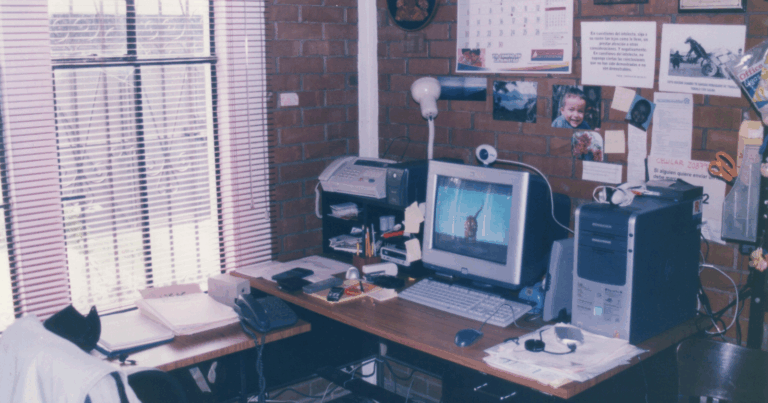






53% of Gen Z say becoming a creator is a viable career and the industry that used to mock that idea is now paying attention